part of psychology as a science, which is an indispensable means of scientific research;
philosophical direction;
a global phenomenon that qualitatively changed a person’s perception of himself, of culture, of civilization, and of progress;
a complex cultural phenomenon that encompasses various fields of knowledge.
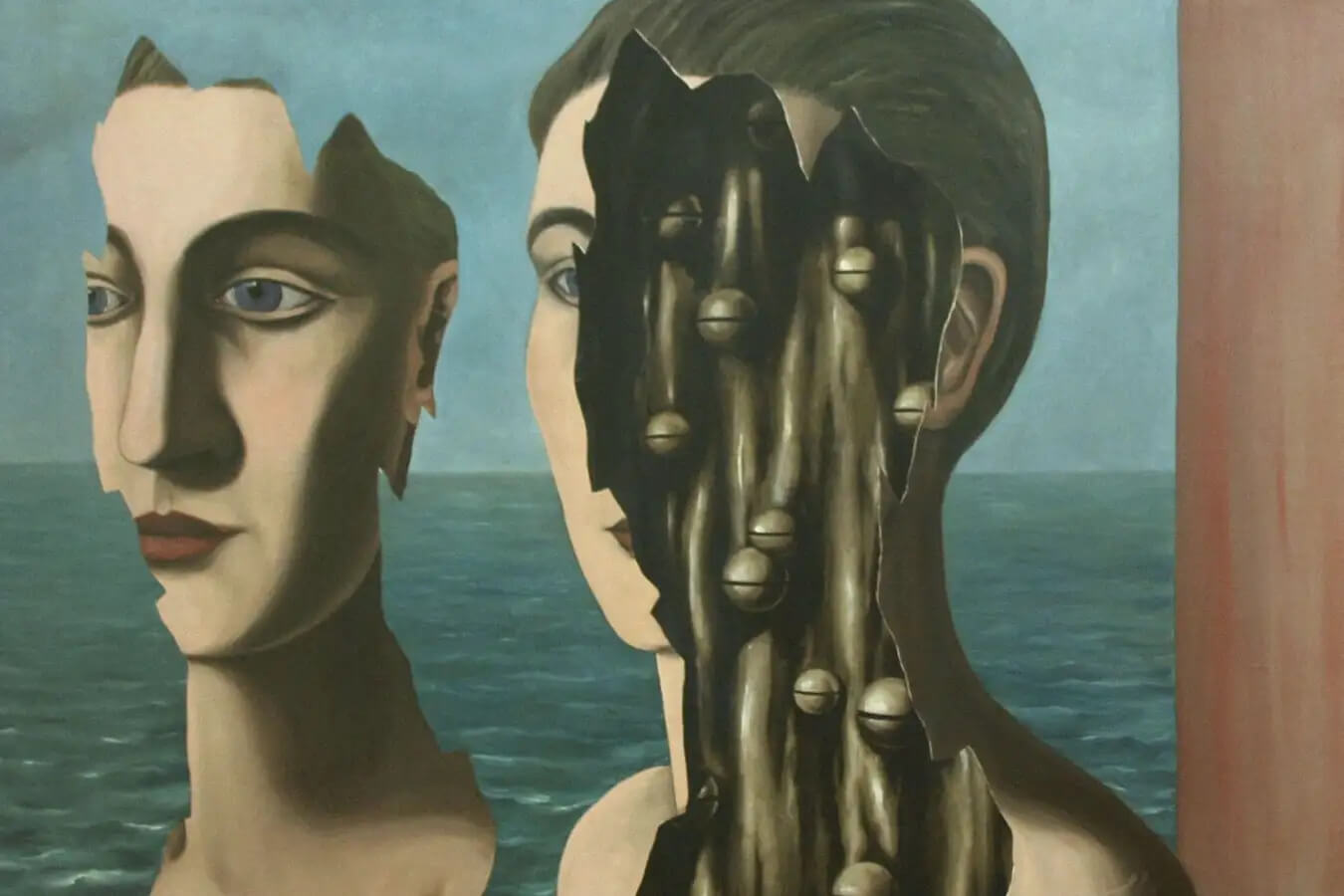
Sigmund Freud’s discovery showed that the main part of our mental life is hidden in the unconscious and manifests itself through dreams, mistaken actions, symptoms, or recurring life situations.
Psychoanalysis is a path of self-knowledge:
To understand another, you must first know yourself.
Why psychoanalysis?
Psychoanalysis is a subtle tool that allows you to better understand yourself and others.
Psychoanalysis is a time-tested and most complete system of knowledge about the hidden motives of human behavior.
Psychoanalysis is the basis and foundation of most other modern areas of psychology
The ability to think psychoanalytically allows you to always be one step ahead, to anticipate the possible development of events and relationships.
The main questions of psychoanalysis
Psychoanalysis works with those fundamental questions that concern a person throughout life:
Who am I?
WHY IS THIS HAPPENING TO ME?
WHY DO I REPEAT THE SAME MISTAKES?
WHAT IS BEHIND MY FEARS AND SYMPTOMS?
HOW TO ACCEPT FINALITY AND DEATH?
These questions have no universal answers. But analysis allows you to find your answer and reduce the suffering that uncertainty causes.
Freud’s History and Legacy
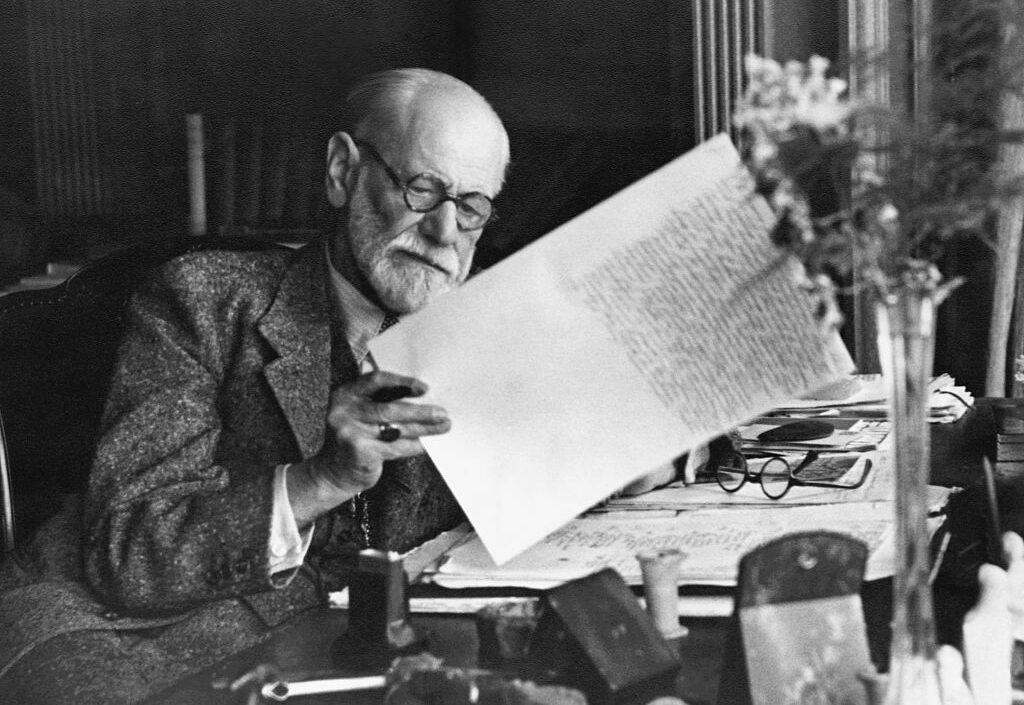
The history of psychoanalysis dates back to the end of the 19th century, when Sigmund Freud first used the term to describe his method in 1896. His legacy revolutionized the understanding of the human psyche by introducing the concept of the unconscious, which guides our behavior despite rational motives. The specialists of the Ukrainian Association of Psychoanalysis preserve and disseminate this legacy. They develop theory and practice, adapting classical methods to the challenges of modernity, and also provide professional training and support for new generations of psychoanalysts in Ukraine and other countries of the world. Thus, psychoanalysis remains not only a historical foundation, but also a living practice that helps to understand deep internal processes in the face of modern challenges.
Psychoanalysis today
Today, psychoanalysis is not only a therapeutic practice, but also an interdisciplinary science that combines psychology, medicine, philosophy, and cultural studies.
It remains a living method capable of responding to the challenges of modern society.